Raspberry Pi's 10-inch Touch Display 2 draws a four-lane line at the Pi 5
1200×1920, ten-finger touch, powered from the host's GPIO, and committed to production until at least January 2030.
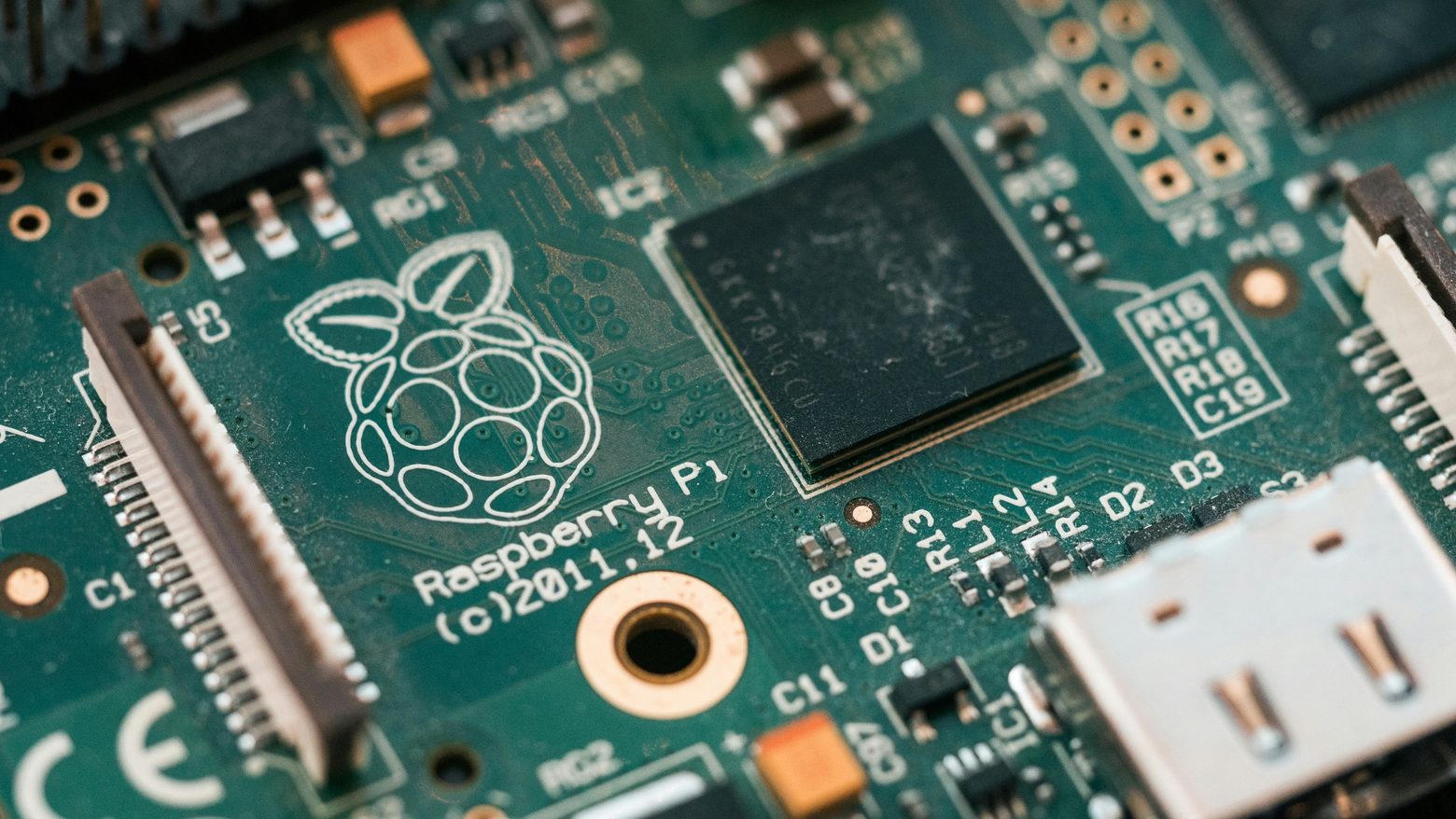
Raspberry Pi's Touch Display 2 family gained a third member on 22 July 2026: a 10-inch panel, announced as "available now at $80". The headline number is the resolution — and the interesting engineering is in the cable.
The panel
The 10-inch model is listed at "24-bit RGB, 1200 × 1920 pixels" on an "in-plane switching thin-film transistor (IPS TFT)" panel with an active area of 135.4 mm × 216.6 mm and, per the announcement, an 85-degree viewing angle. Touch steps up with the size: a "true multi-touch capacitive touch panel supporting ten-finger touch", where the 5-inch ($40) and 7-inch ($60) siblings are "24-bit RGB, 720 × 1280 pixels" panels with five-finger touch. That is roughly two and a half times the pixels of the 7-inch model for twenty dollars more, at the same 24-bit colour depth across the family.
Four lanes draw a hard line
Feeding 1200 × 1920 takes bandwidth the old display interface didn't carry. Earlier Touch Displays used two DSI data lanes; the 10-inch requires four, delivered over what the announcement describes as a "narrower, but higher-bandwidth, ribbon cable". That requirement, not marketing segmentation, decides compatibility — and the line is unusually blunt for a company that prizes backwards compatibility:
Not compatible with Raspberry Pi 4 or earlier models, or with the Raspberry Pi Zero series.
Raspberry Pi announcement, 22 July 2026
The product page states the display is "compatible with Raspberry Pi 5 and Raspberry Pi Compute Modules only". Wiring stays minimal despite the extra lanes: two connections total, "power from the GPIO port, and a ribbon cable that connects to the DSI port", with the panel "powered directly from the host Raspberry Pi" — no separate supply — and "all the necessary cables, connectors, and mounting hardware" in the box.
The setup tax
There is one step beyond plugging in: the announcement says users must update "the operating system and EEPROM bootloader" before the panel comes up, after which there is "full driver support in Raspberry Pi OS". Worth knowing before imaging an SD card for a machine that will live headless-with-a-panel in a cupboard: a stale bootloader on an otherwise working Pi 5 is enough to keep the screen dark, and nothing else about the system will look wrong.
In production until at least January 2030
The product page carries the line that matters most to anyone speccing this into a long-lived build rather than a weekend project: "Raspberry Pi Touch Display 2 will remain in production until at least January 2030." Raspberry Pi pitches the display at "home automation dashboards, kiosks, robotics interfaces, digital signage, gaming systems, workshop or lab equipment control panels" — exactly the use cases where a dated production commitment, a single-vendor driver stack, and GPIO-only power matter more than panel-of-the-week pricing. A $80 official panel with a promise in writing is a different proposition from a $60 no-name HDMI screen with neither.
Primary sources: A new 10″ Raspberry Pi Touch Display 2, available now at $80, Touch Display 2 product page, read 2026-07-31.